Organizing Model and Campaign Structure
Campaign model for direct action organizing to change policies
2018–present
- Chicago 400 Campaign
-
Maps
-
McDonald's Programming
-
Organizing Model and Campaign Structure
-
Chicago 400 Conferences
-
Why This Issue
Field Research
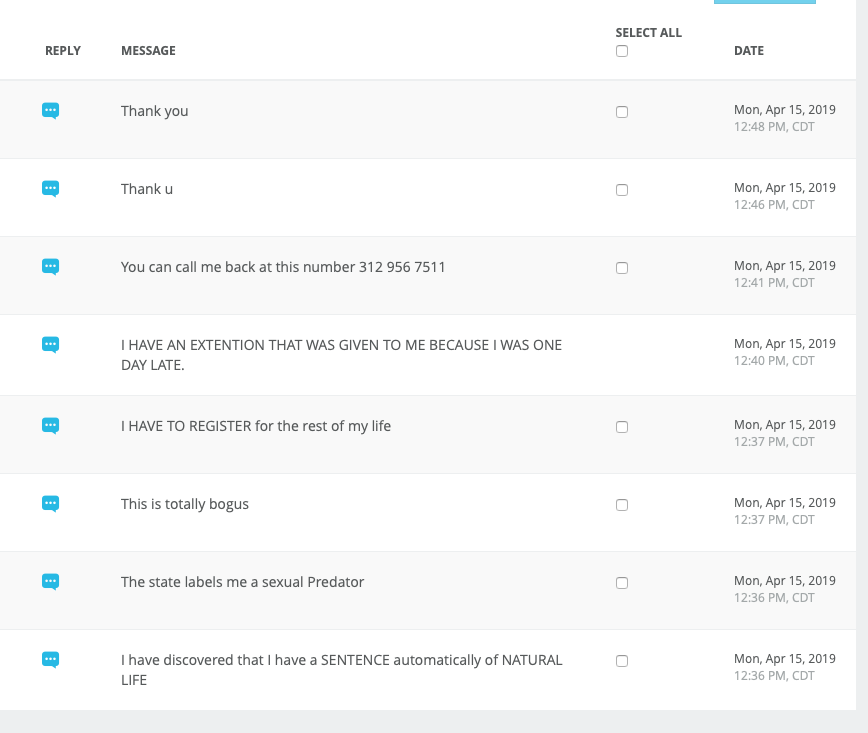
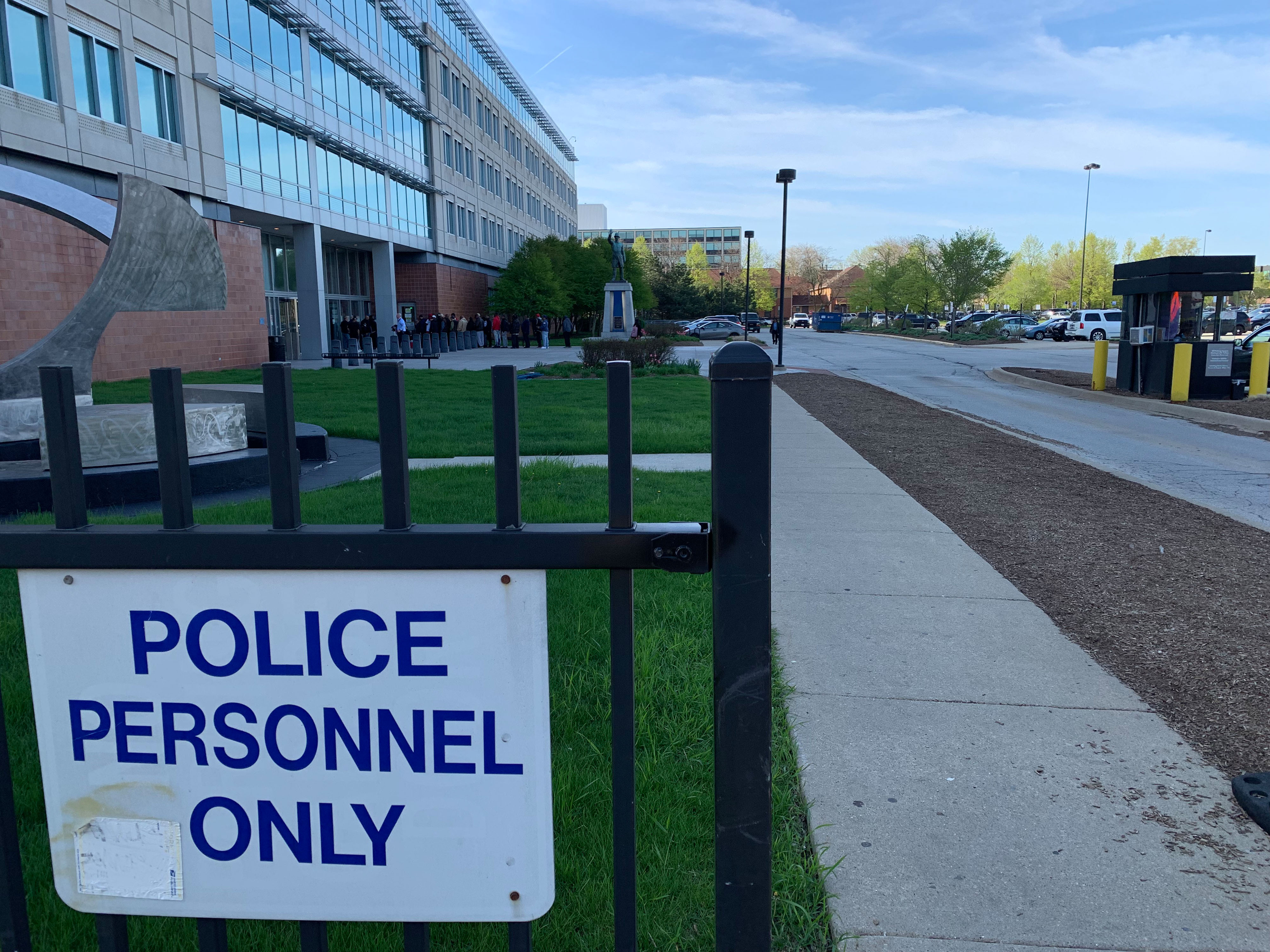
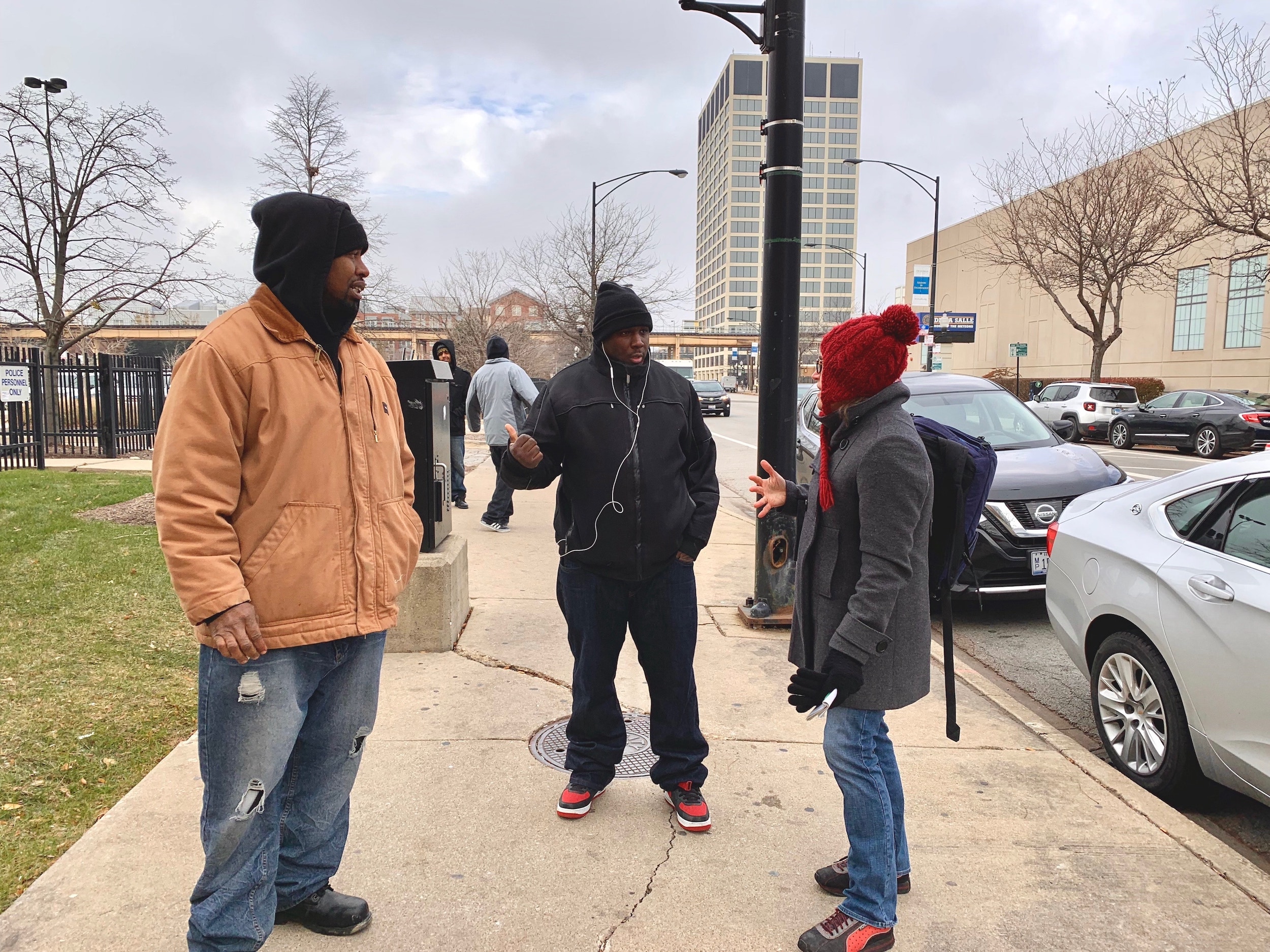
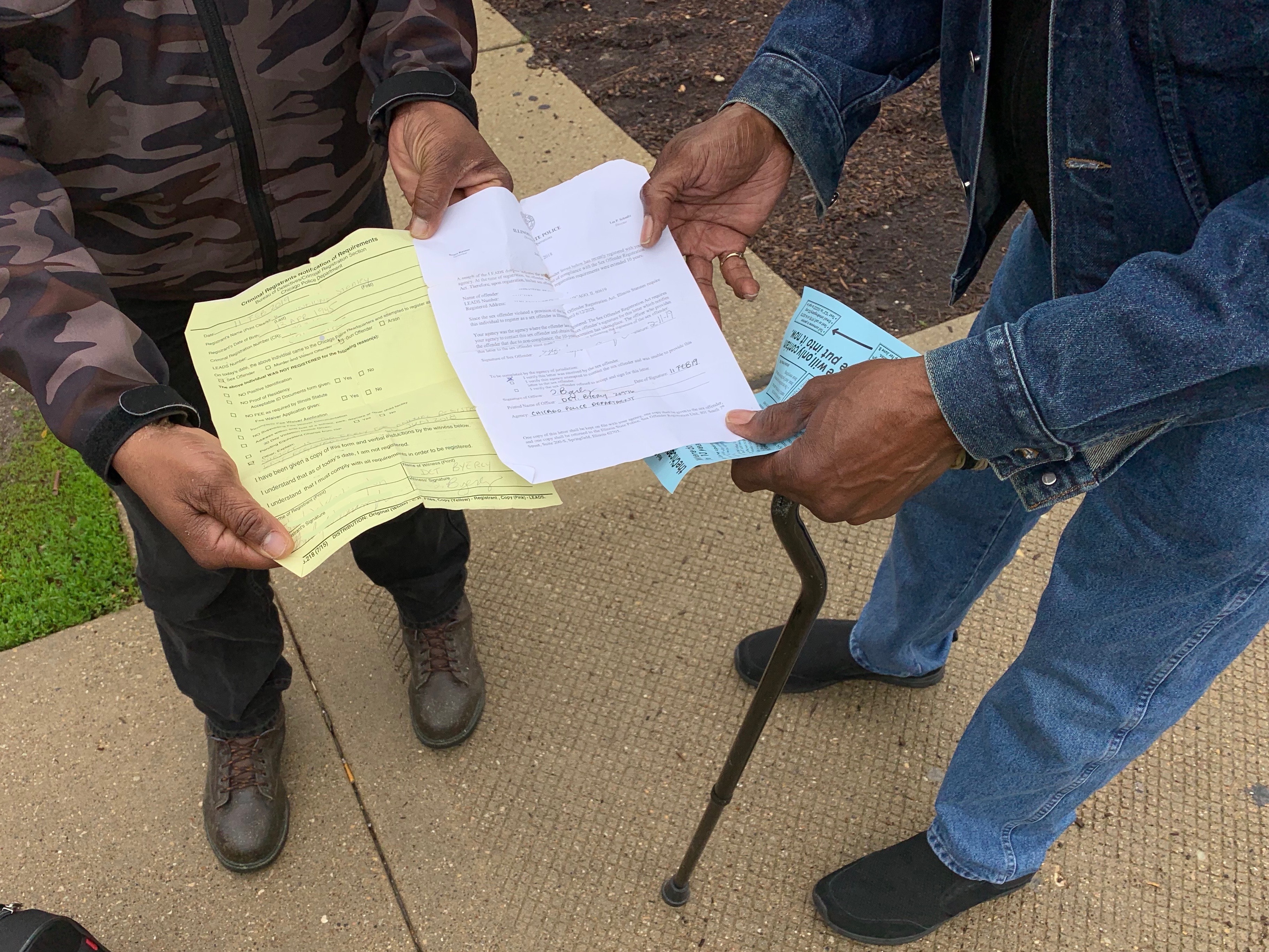
In order to meet people registering as homeless, I stood on the sidewalk at the north entrance to Chicago Police Headquarters and introduced myself to hundreds of people arriving each day. I also arrived as early as 4:00am to talk to people camped out to wait in line to get a number to register. Months of sustained dialogue allowed me to uncover exceptional legal and logistical problems embedded in state laws and police practices affecting people who are homeless and therefore required to register weekly.
We Can't Go Inside and They Can't Come Outside
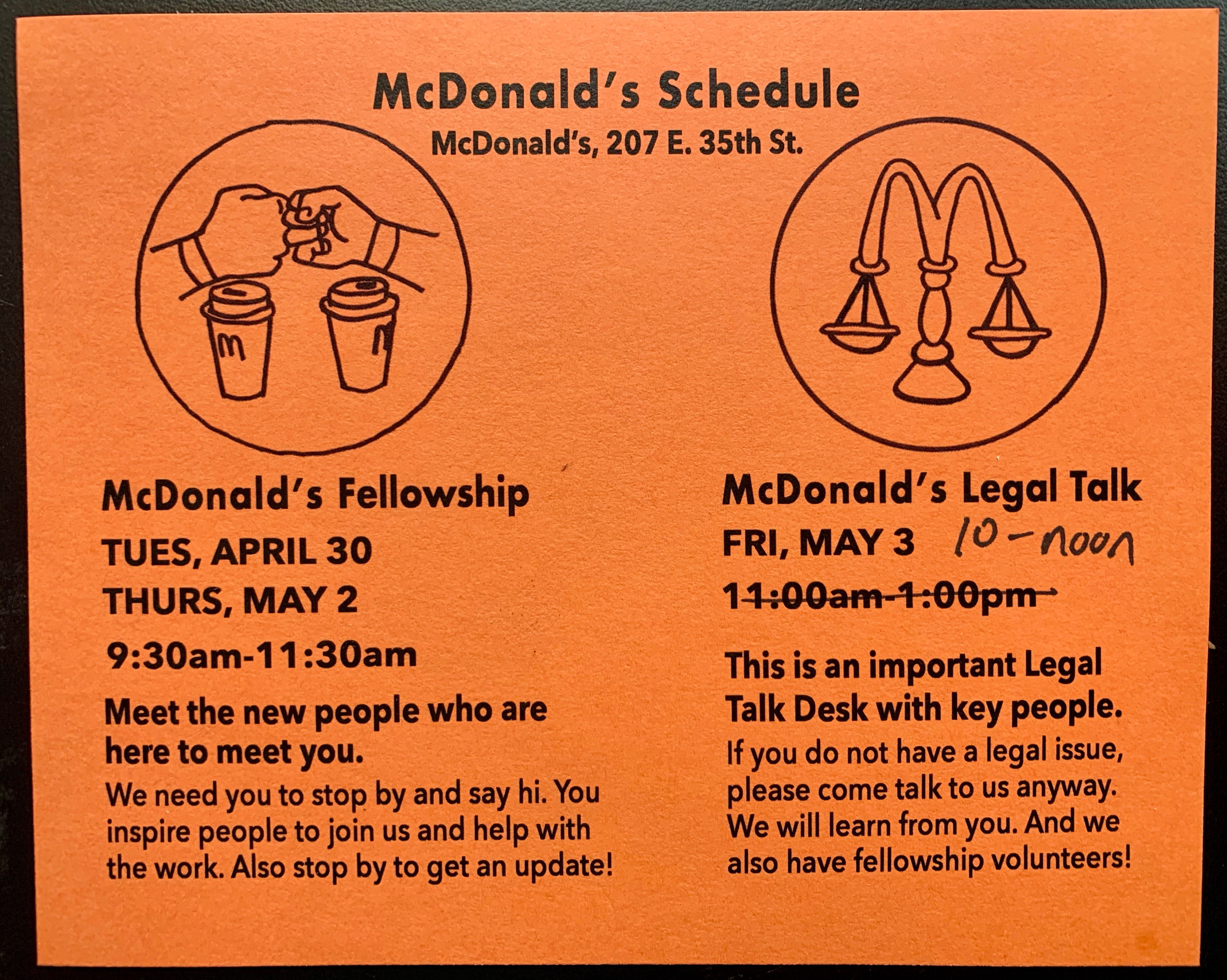
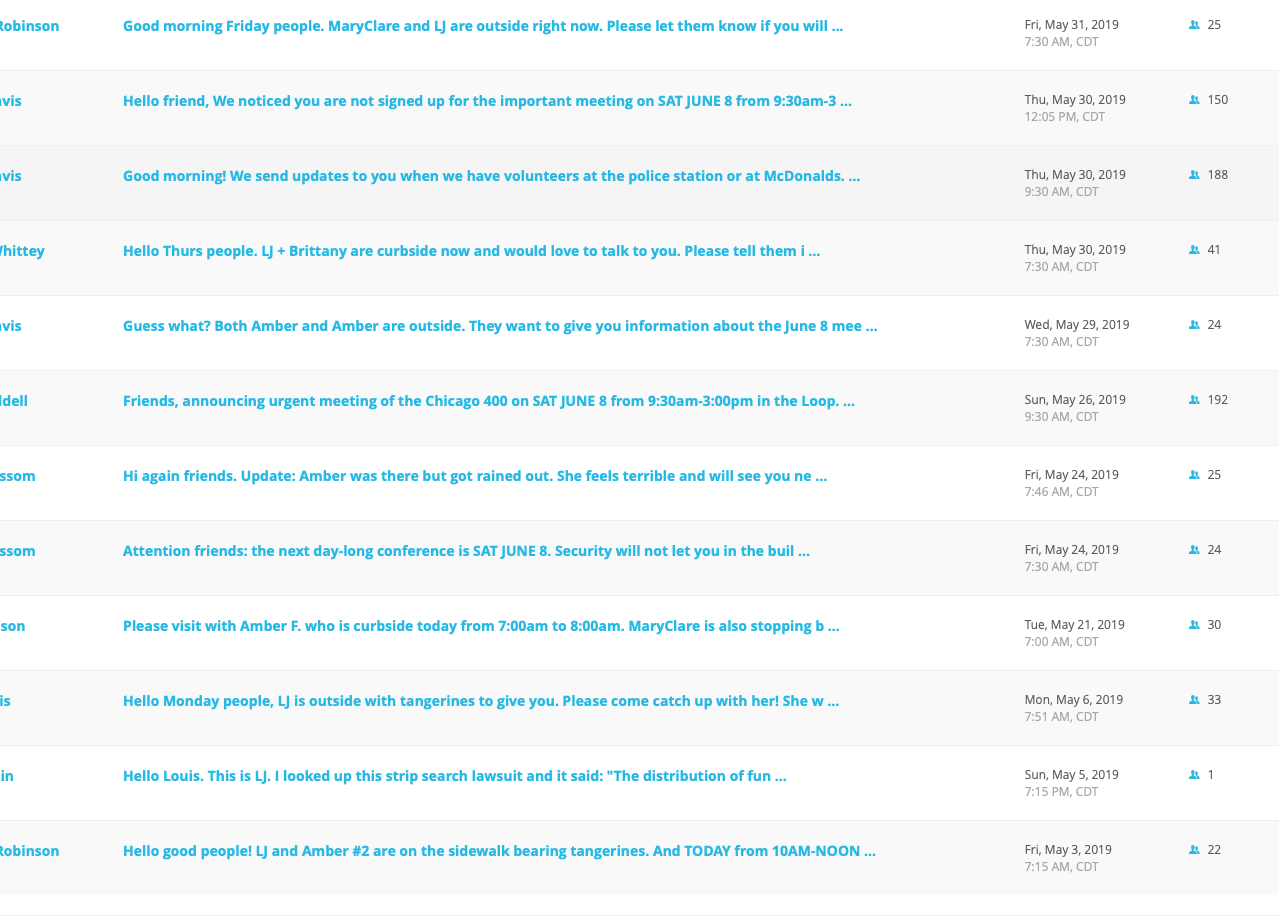
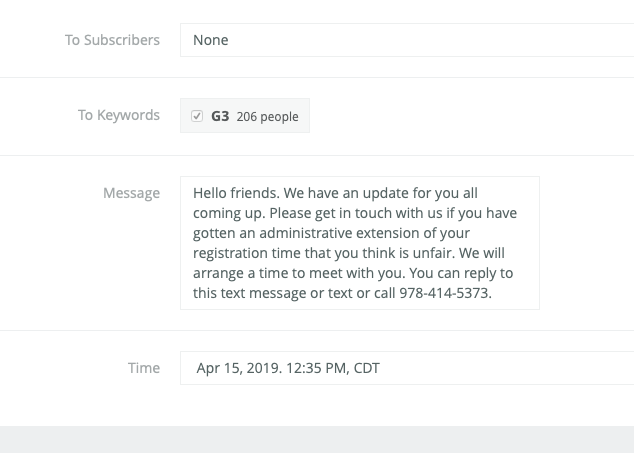
Because police will not allow non-registrants to go in the police station, the volunteers who are not on the registry have to stay on the sidewalk. So, the Chicago 400 campaign leaders come outside to talk, get flyers from volunteers, and then hand out materials and update people inside the bull pen. Incidentally, the the entire block around the police station is in a "public exclusion zone" so most of the Chicago 400 are not legally allowed to stand there, and police often tell us all to move. For longer conversations, we meet at the McDonald’s located near the police station. We also provide campaign updates and schedule meetings via text messages and phone calls, although not everyone has a phone.
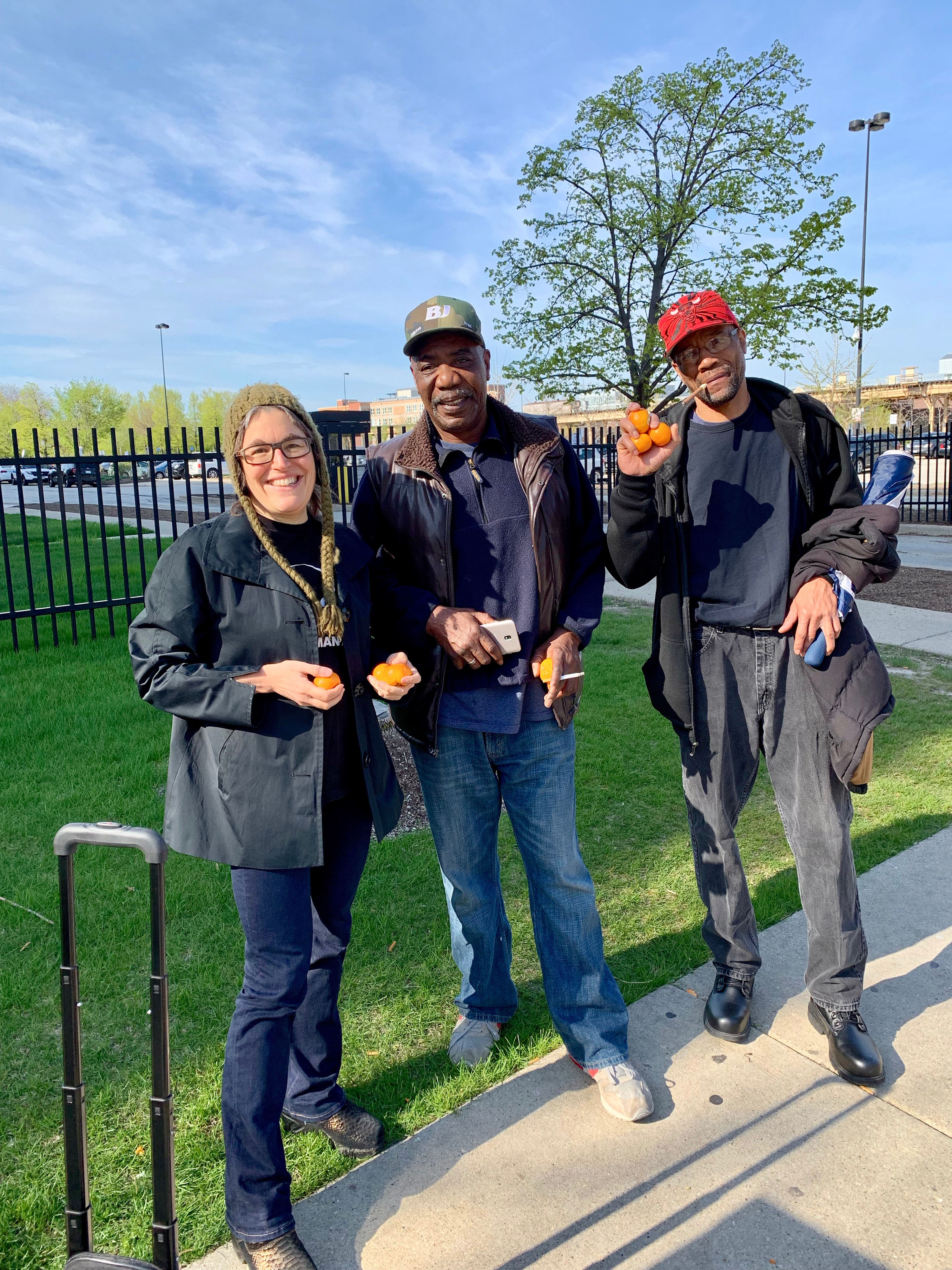
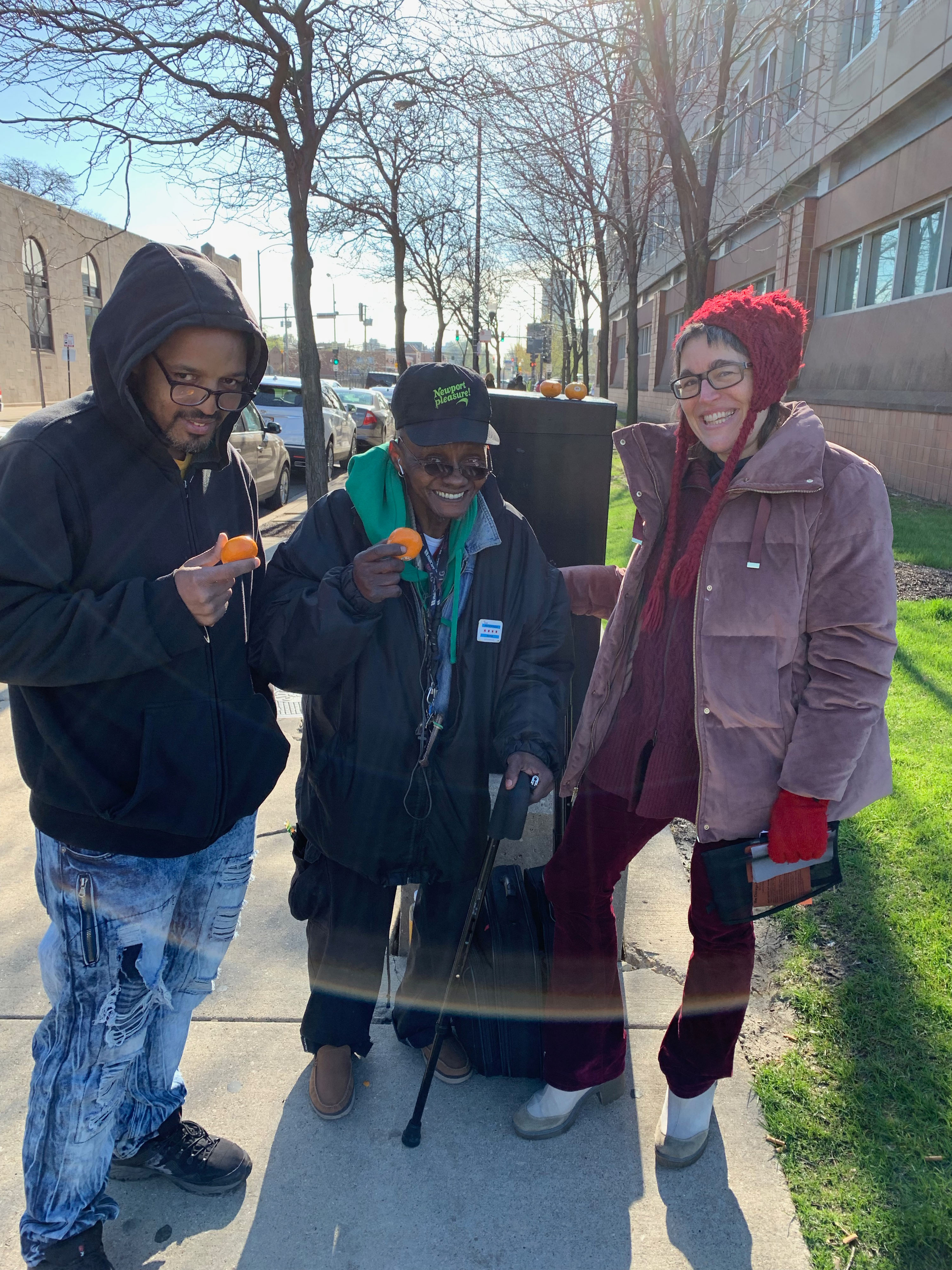
Organizing By The Day of The Week
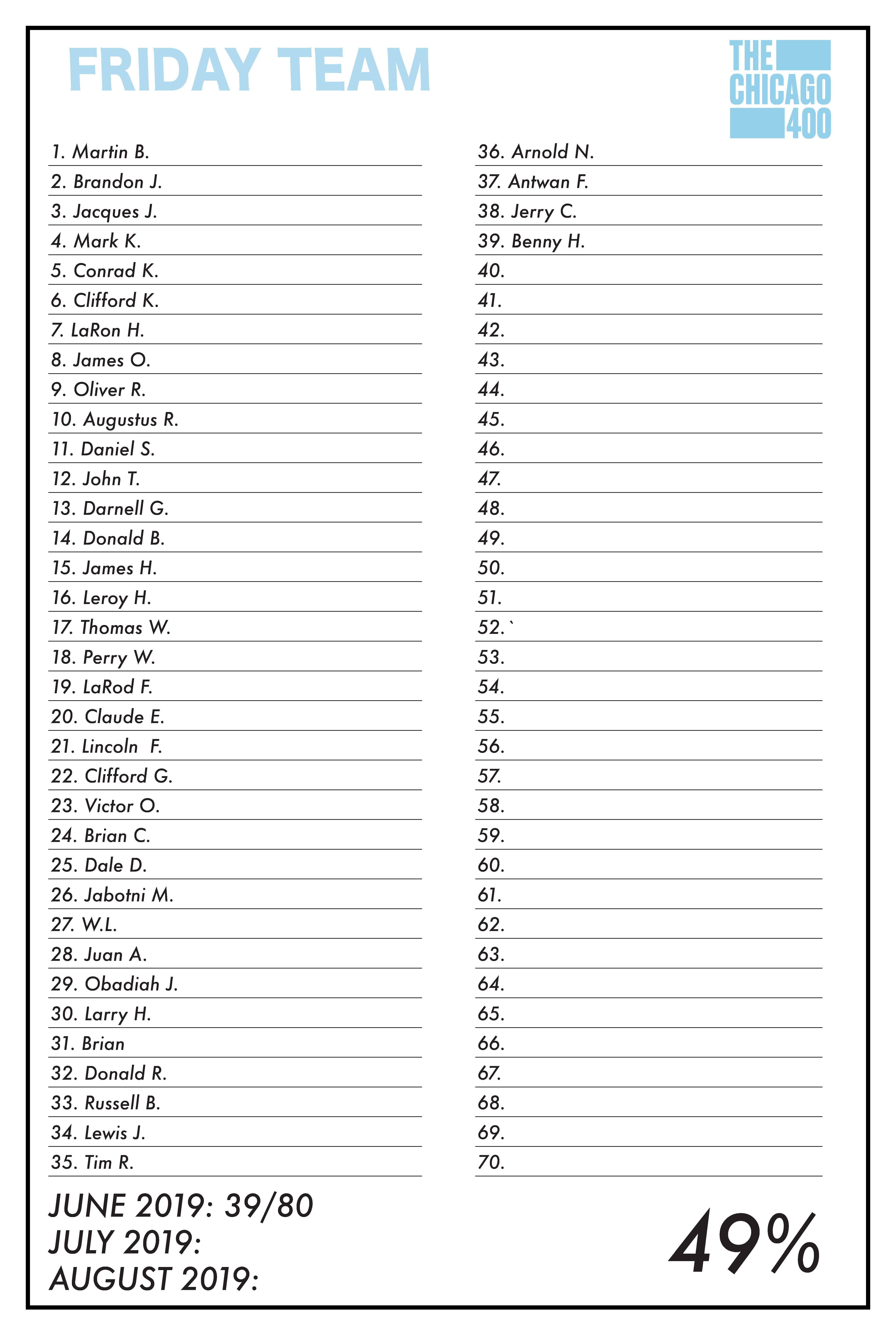
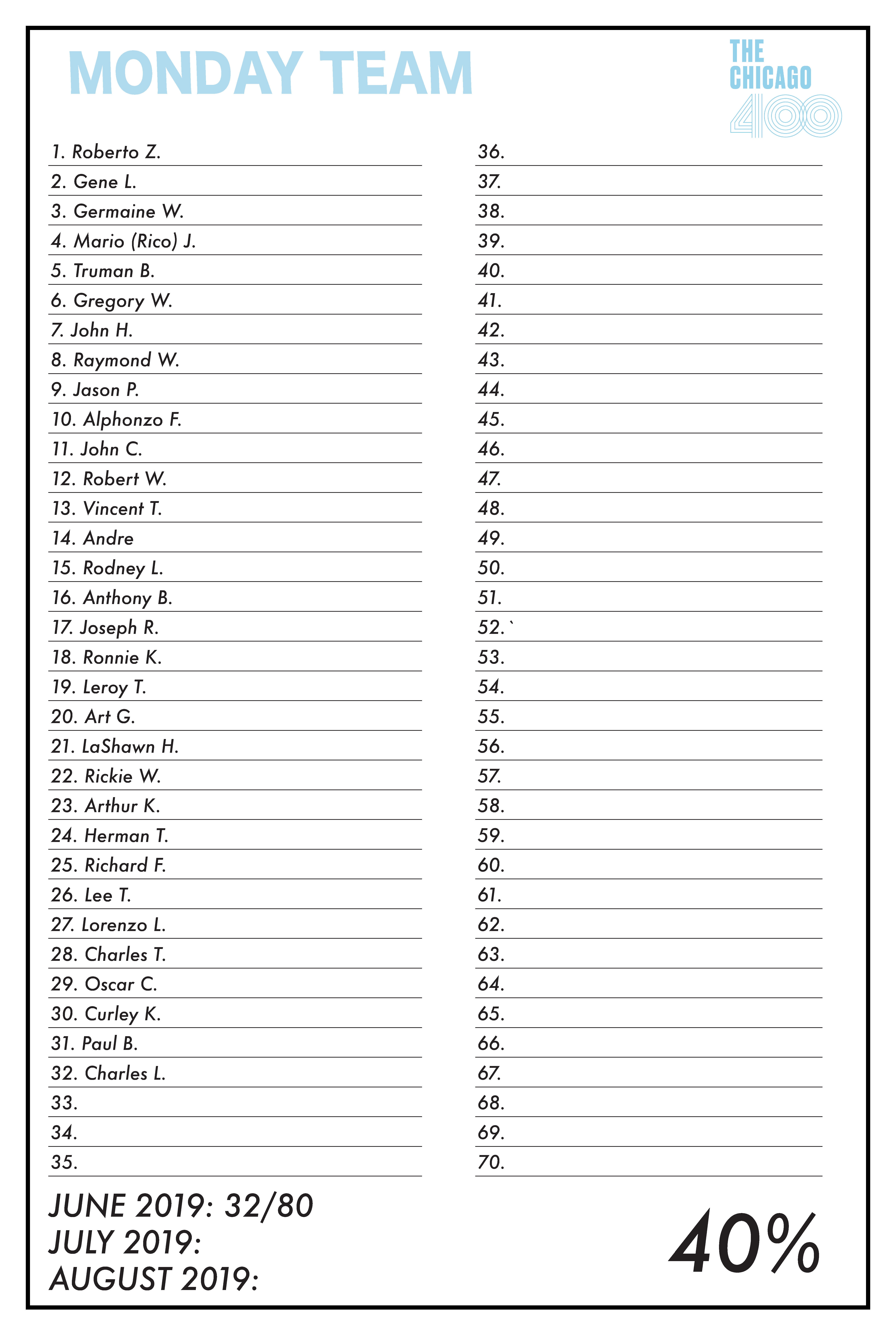
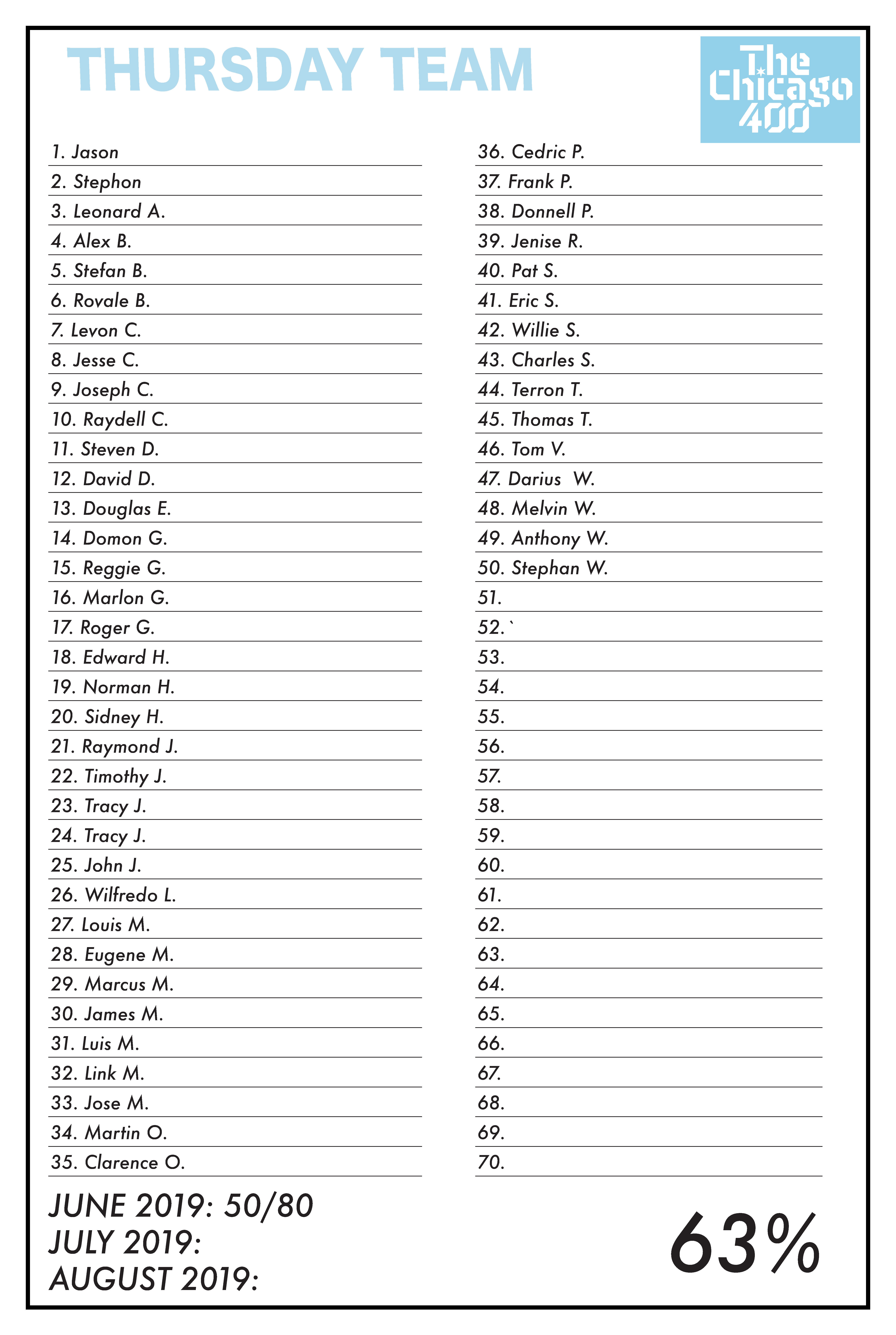
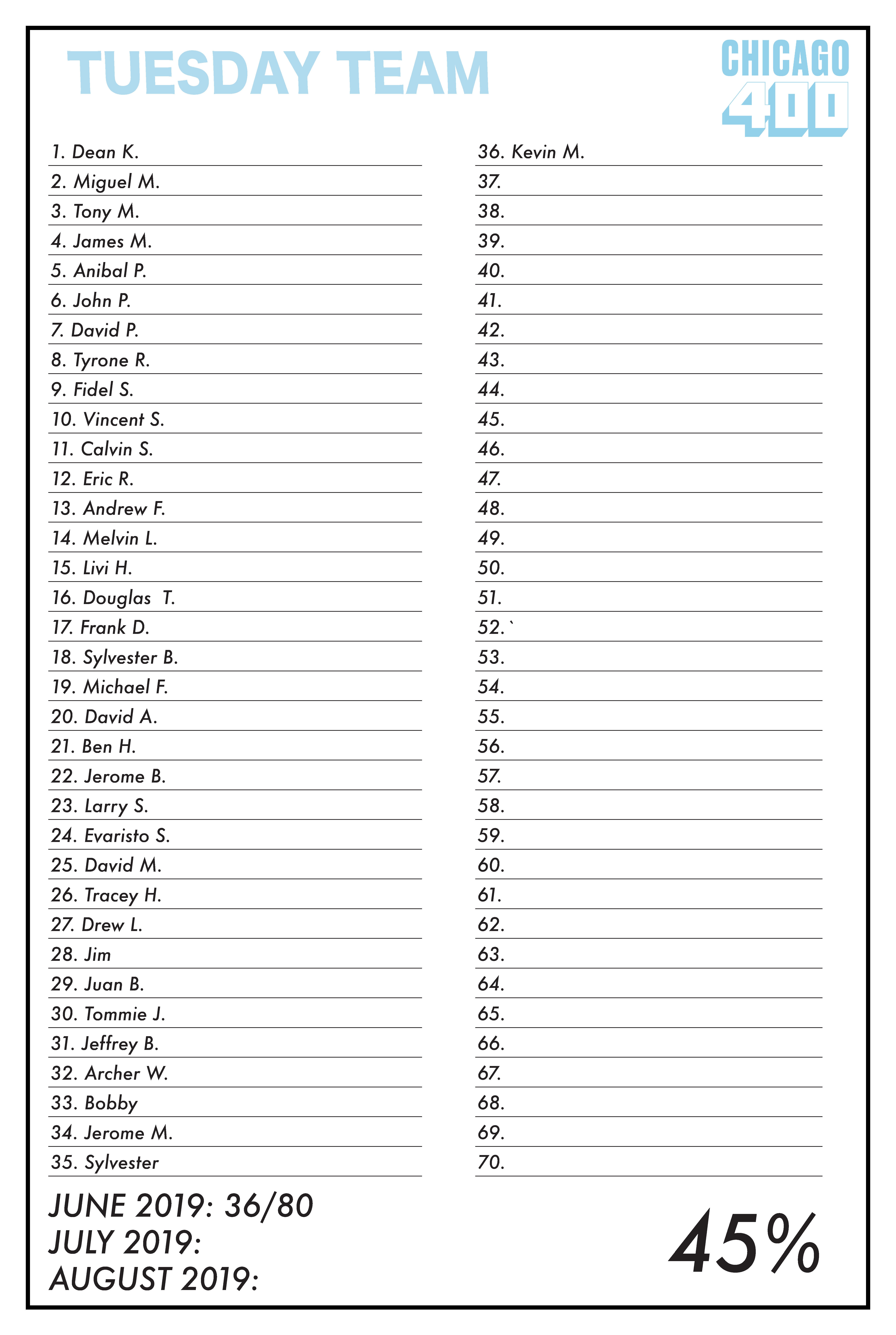
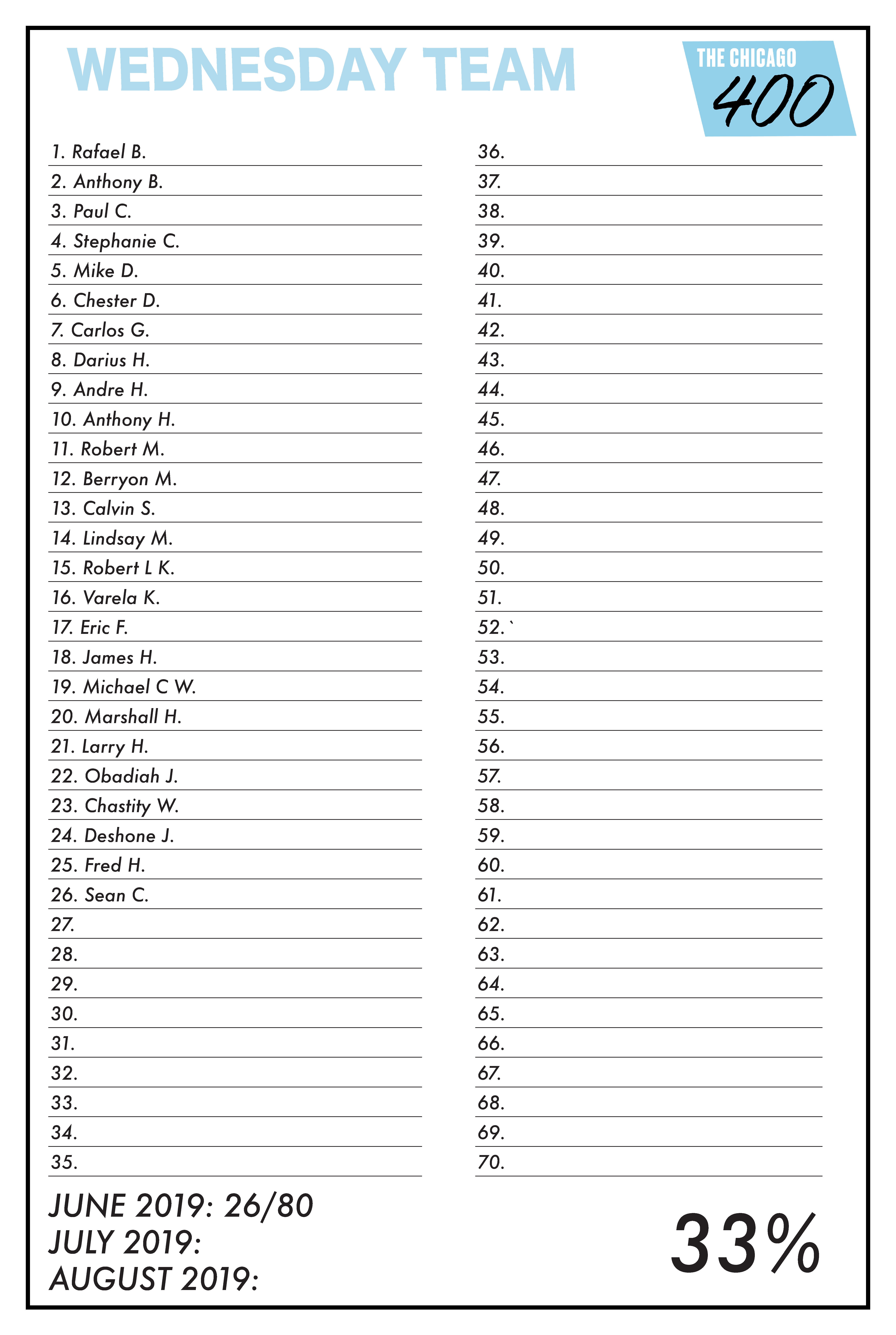
Each day of the week has a different leadership structure and methodology for keeping the pre-8:00am list. A "listkeeper" starts to form a list at 8:00pm or 9:00pm the night before, which gets translated to police when they line people up at 8:00am the next day. Sometimes there are disputes about the veracity of who arrived when, or fights that break out because of real or perceived cuts in line. This tension is caused because police put people in an impossible and stressful situation, but it causes hostility between people who should be supporting each other.
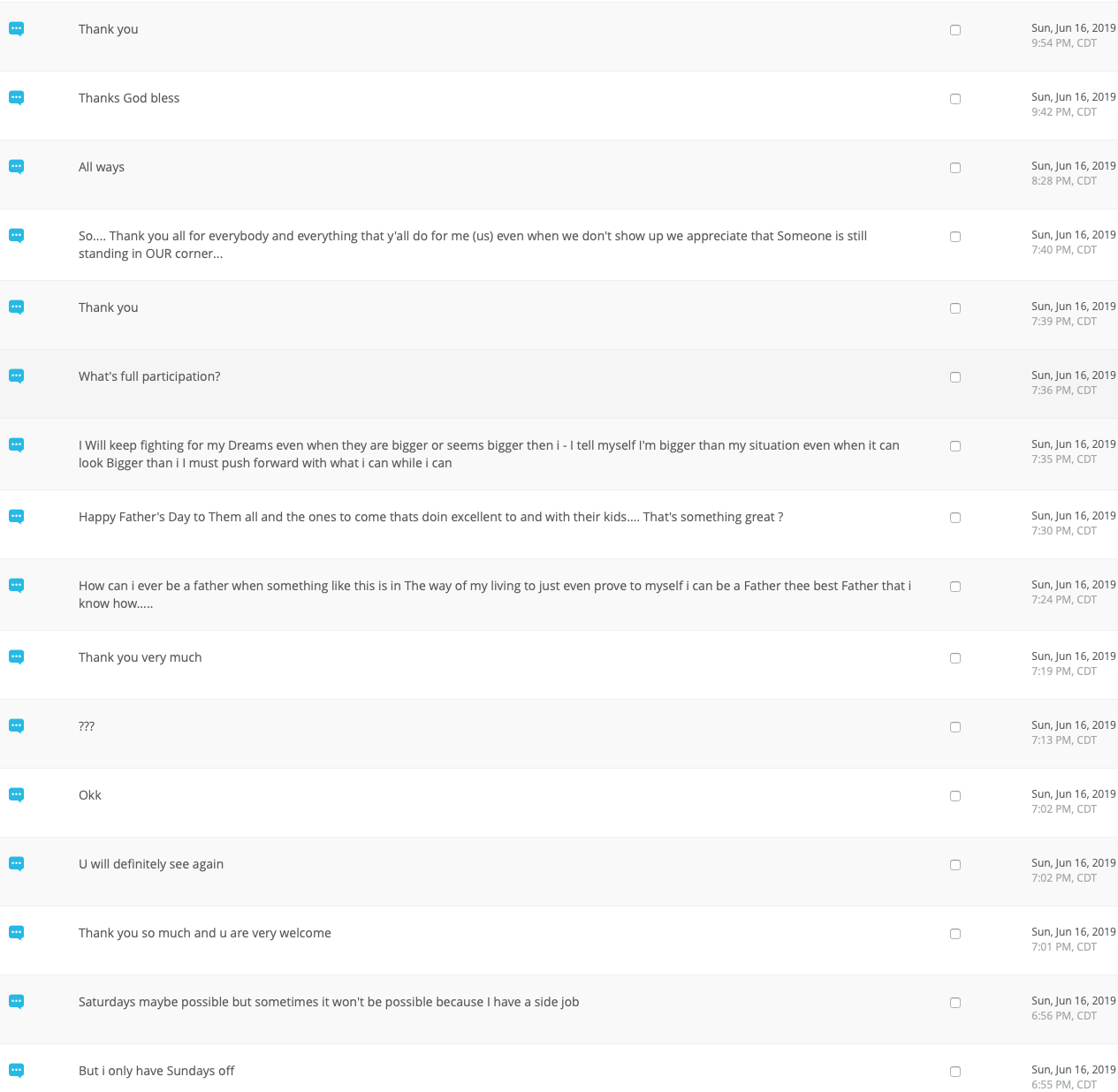
The goal of this campaign—and all community organizing—is for people to work together to build power rather than be pitted against each other to lose power. In this spirit, we have created an organizing structure based on each day of the week, tapping into the existing power structure and building a shared sense of community. We have leaders for each day of the week, and are increasing campaign participation by having them recruit inside the bull pen, and sending people outside to talk to us. There are fights, but there is also true solidarity. Each time I am there, I witness people protecting, helping, and comforting each other, and cutting each other slack for being tired, hungry, dejected, hopeless, and angry. These are impressive, interesting, wonderful guys and I love working with them.